
Ensuring Quality in Essential Oils and Herbal Extracts

The demand for essential oils and herbal extracts has surged in recent years, driven by a growing interest in natural remedies and holistic wellness. However, with this increased popularity comes the challenge of ensuring quality. Consumers are often left wondering how to choose the best products amidst a sea of options. This blog post will explore the key factors that contribute to the quality of essential oils and herbal extracts, providing you with the knowledge needed to make informed decisions.
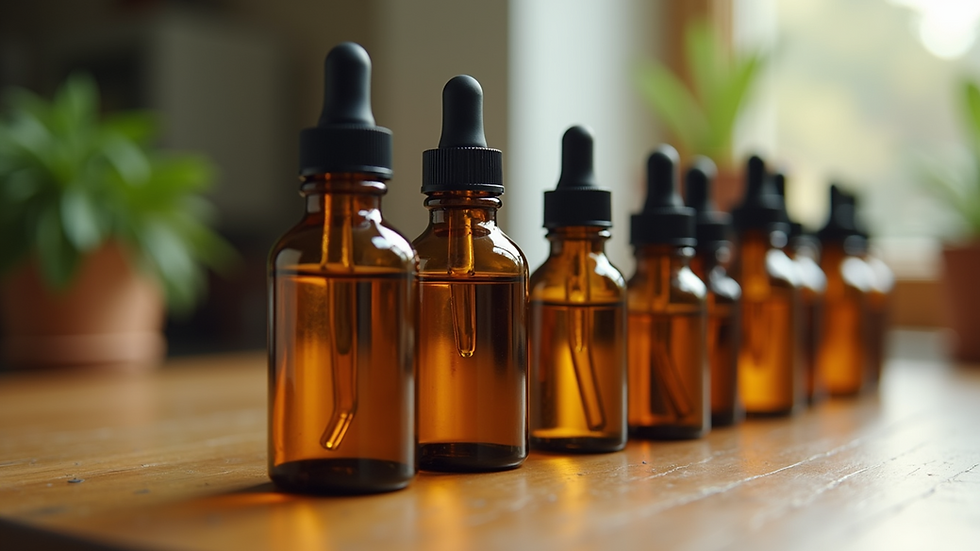
Understanding Essential Oils and Herbal Extracts
What Are Essential Oils?
Essential oils are concentrated plant extracts obtained through various methods, including steam distillation and cold pressing. These oils capture the plant's natural fragrance and beneficial properties, making them popular for aromatherapy, skincare, and natural remedies.
What Are Herbal Extracts?
Herbal extracts are made by soaking plant materials in a solvent, typically alcohol or glycerin, to draw out the active compounds. These extracts can be used in tinctures, capsules, or topical applications, providing a convenient way to harness the benefits of herbs.
The Importance of Quality
Why Quality Matters
The quality of essential oils and herbal extracts directly impacts their efficacy and safety. Low-quality products may contain impurities, synthetic additives, or insufficient concentrations of active ingredients, leading to ineffective or even harmful outcomes.
Key Indicators of Quality
To ensure you are purchasing high-quality essential oils and herbal extracts, look for the following indicators:
Purity: Check for products that are 100% pure, with no additives or fillers.
Source: Opt for oils and extracts sourced from reputable growers and manufacturers.
Testing: Look for third-party testing results that verify the product's purity and potency.
Labeling: Ensure labels provide clear information about the plant species, extraction method, and country of origin.
Sourcing and Production
Sustainable Sourcing
Sustainable sourcing is crucial for maintaining the quality of essential oils and herbal extracts. Responsible growers prioritize environmental health and ethical practices, ensuring that plants are harvested in a way that supports their ecosystems.
Extraction Methods
The method of extraction significantly affects the quality of the final product. Common methods include:
Steam Distillation: This method uses steam to extract essential oils from plant materials. It is widely regarded as one of the best methods for preserving the oil's natural properties.
Cold Pressing: Often used for citrus oils, this method involves mechanically pressing the fruit to release the oil. It retains the oil's natural fragrance and benefits.
Solvent Extraction: This method uses solvents to extract oils from delicate flowers. While it can yield high-quality oils, it may leave behind traces of the solvent.
Evaluating Products
Reading Labels
When evaluating essential oils and herbal extracts, reading labels is essential. Look for:
Botanical Name: The scientific name of the plant ensures you are getting the correct species.
Extraction Method: This information helps you understand how the oil was produced.
Batch Number: A batch number indicates traceability, allowing you to verify the product's quality.
Certifications
Certifications can provide additional assurance of quality. Look for:
Organic Certification: Indicates that the product is made from plants grown without synthetic pesticides or fertilizers.
GC/MS Testing: Gas chromatography-mass spectrometry testing verifies the composition of essential oils, ensuring they are free from contaminants.
Common Misconceptions
All Essential Oils Are the Same
One common misconception is that all essential oils are created equal. In reality, the quality can vary significantly based on sourcing, extraction methods, and processing. Always choose products from reputable brands that prioritize quality.
More Expensive Means Better Quality
While price can be an indicator of quality, it is not always the case. Some high-quality oils may be reasonably priced due to efficient sourcing and production methods. Conversely, expensive oils may not always guarantee purity or efficacy.
Practical Tips for Consumers
Research Brands
Before purchasing essential oils or herbal extracts, take the time to research brands. Look for companies that provide transparency about their sourcing and production processes. Customer reviews and testimonials can also offer valuable insights into product quality.
Start Small
If you are new to essential oils or herbal extracts, consider starting with smaller quantities. This allows you to test the product's effectiveness without committing to a larger purchase.
Consult Experts
If you have specific health concerns or questions about using essential oils or herbal extracts, consult with a qualified healthcare professional or aromatherapist. They can provide personalized recommendations based on your needs.
Conclusion
Ensuring quality in essential oils and herbal extracts is essential for maximizing their benefits and ensuring safety. By understanding the factors that contribute to quality, such as sourcing, extraction methods, and product labeling, you can make informed choices. Remember to prioritize purity, research brands, and consult experts when necessary. With the right knowledge, you can confidently explore the world of essential oils and herbal extracts, enhancing your wellness journey.


Comments